

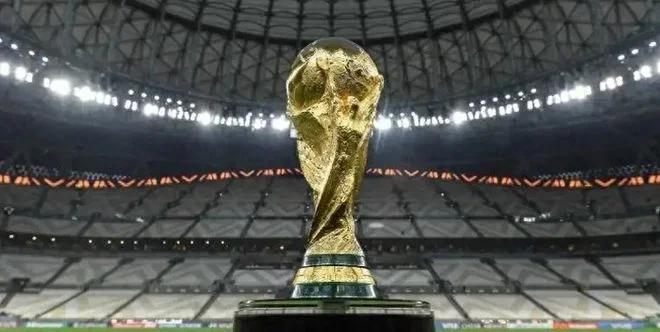
On May 7, FIFA released a carefully worded statement claiming that broadcast rights for the 2026 World Cup in the US, Canada, and Mexico had been secured with over 175 countries and regions. However, China remained conspicuously excluded, with no details provided. To anyone familiar with the industry, this silence was alarming. With less than 40 days until kickoff, the world’s largest television market remains unresolved—a situation unprecedented in recent World Cup history. 
Typically, broadcast deals are finalized one to two years ahead, allowing networks to plan advertising sales, technical teams to mobilize, and audience anticipation to build. But this time, FIFA and China Central Television (CCTV) are locked in a standoff over pricing. Sources say FIFA initially demanded 1.8 to 2.1 billion yuan for the Chinese market. After failing to attract a buyer, the price was slashed to 800 million to 1 billion yuan. Even at half the original cost, CCTV balked, with internal estimates capping their acceptable range at 400 million to 550 million yuan. The gap of several hundred million yuan indicates a fundamental disagreement over the World Cup’s true value. FIFA clings to the old notion that the world will pay top dollar, but CCTV no longer shares that belief. 
CCTV’s stance is clear. During the Asian qualifiers for the World Cup, even China’s matches—usually the biggest draw—were dropped due to exorbitant rights fees. They even passed on broadcasting the crucial home game against Bahrain. The message: China will no longer be a easy target for inflated licensing fees. FIFA’s logic is that expanding the tournament from 32 to 48 teams, and from 64 to 104 matches (a 60% increase in content), justifies a price hike. On paper, that sounds reasonable, but it overlooks the dilution of quality. The added games are mostly mismatches, reducing the number of high-stakes, competitive clashes that made the group stage compelling. As a result, if Chinese audiences are completely shut out, FIFA will face three major pressures: a massive blow to its revenue from the world’s biggest fan base, a hit to its brand influence in the Asian market, and weakened leverage in future negotiations with other broadcasters. The stakes could not be higher.
